
Polynucleotides
View our collection of specially selected treatments to keep you feeling and looking great.
Polynucleotides – Awaken Clinic
As we age, the vital substances that maintain good skin health can deplete. These include collagen, elastin and hyaluronic acid. As these essential materials diminish within the skin, lines and wrinkles, skin sagging, creeping and loss of elasticity can happen. At Awaken Clinic, we offer a revolutionary skin bio-remodelling treatment which can rejuvenate the skin’s own healing processes on a cellular level. This treatment utilises the healing and regenerative properties of injectable polynucleotides.
Polynucleotides (PN) are a type of biomolecule that consist of long-chain nucleotides, the building blocks or RNA and DNA). They are ethically extracted from the sperm of salmon and trout. Polynucleotides have been used for 35 years in wound healing therapies, to which they have been found to be extremely effective. With over 40 years of research and successful results in medicine, polynucleotides are now being used for their regenerative properties in the rejuvenation of skin tissues. Prior to use, polynucleotides are sterilised and purified, making them extremely safe for injection into the deeper layers of the dermis.

FAQs
Polynucleotides help to stimulate fibroblast activity within the skin’s tissues. They do this by encouraging the metabolic activity of cells within the skin, increasing the rate of growth of fibroblasts, thus activating and revitalising ageing or damaged skin cells. Polynucleotides also act to prime dermal fibroblasts, producing new matrix glycosaminoglycans and stimulating the production of new collagen and elastin fibres. Polynucleotides also contain protamine sulphate which is a protein with a high arginine content. Arginine has been found to have a rejuvenating effect on the skin. When injected into the skin, polynucleotides attract the existing and future water molecules within the tissues, enabling more effective hydration. They also offer an anti-free radical effect on the skin, scavenging the damaging OH hydroxyl radicals that can accumulate as a result of internal and external stressors such as emotional stress, UV rays, smoking and pollution, all of which cause damage to the skin’s cells.
- • Signs of skin ageing, such as lines, wrinkles, dehydration and skin laxity.
- Dark circles (polynucleotides are superb alternatives to tear trough fillers for patients who have a reaction to hyaluronic acid (HA) products)
- Hair loss and hair thinning (androgenic alopecia).
- Acne atrophic scars, surgical or trauma scars.
- UV damage, sun spots, age spots.
- Melasma.
- Rosacea.
- Stretch marks.
- Cellulite.
- Polynucleotides can also be injected prior and after some surgeries (e.g. hair transplant surgery) to accelerate the healing process.
- Full face (including sensitive areas such as the lips and tear troughs)
- The neck.
- The Scalp.
- The upper arms.
- The décolleté.
- The thighs.
- The stomach.
- The hands.
As polynucleotides are a biological and not a synthetic substance extracted from fish, they are highly bio-compatible for use in humans and therefore offer very few if, any immunological side effects. However, as with any injectable treatment there can be some cosmetic downtime, following this treatment. These can include slight swelling, tenderness, small bumps at the injection sites and potential bruising. All of these reactions are normal and will subside in a day or so. We will advise on any aftercare that you should follow after your treatment, in your initial consultation at the clinic.
Before your treatment, a numbing cream will be used to de-sensitise the areas to be treated so the procedure should not be painful. Many patients describe the sensation as ‘stingy’ but in most cases, very tolerable.
The number of treatments required will depend on several factors:
- Your age.
- The condition of your skin.
- The severity of skin ageing.
- Your lifestyle choices.
- The kind of results you are hoping to achieve.
In general however, we recommend between two and three treatment sessions, spaced one month apart for optimum results.
Results from a treatment using polynucleotides are accumulative and can last up to 12 months. Therefore, you may wish to undergo maintenance sessions every six to 12 months.
Meet Dr. Steph France BDS
GDC 64826
Stephanie France is a qualified dentist with over 35 years' experience and has considerable knowledge of the facial anatomy. This gives her a unique advantage in assessing the balance and overall aesthetics of the face.
Stephanie trained at the world-renowned BK institute and is a member of the IAAFA (International Academy of Advanced Facial aesthetics)
Stephanie has a particular interest in skin treatments and has recently completed and been awarded a Professional Diploma in Dermatology at The Royal College of Physicians of Ireland
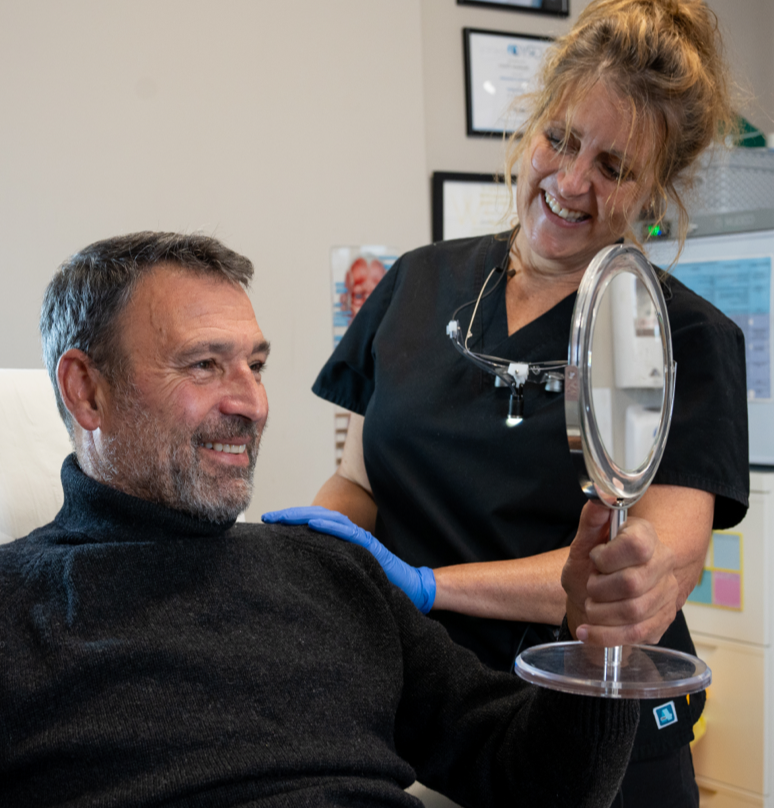
Meet Dr. Steph France BDS
GDC 64826
Stephanie France is a qualified dentist with over 35 years' experience and has considerable knowledge of the facial anatomy. This gives her a unique advantage in assessing the balance and overall aesthetics of the face.
Stephanie trained at the world-renowned BK institute and is a member of the IAAFA (International Academy of Advanced Facial aesthetics)
Stephanie has a particular interest in skin treatments and has recently completed and been awarded a Professional Diploma in Dermatology at The Royal College of Physicians of Ireland
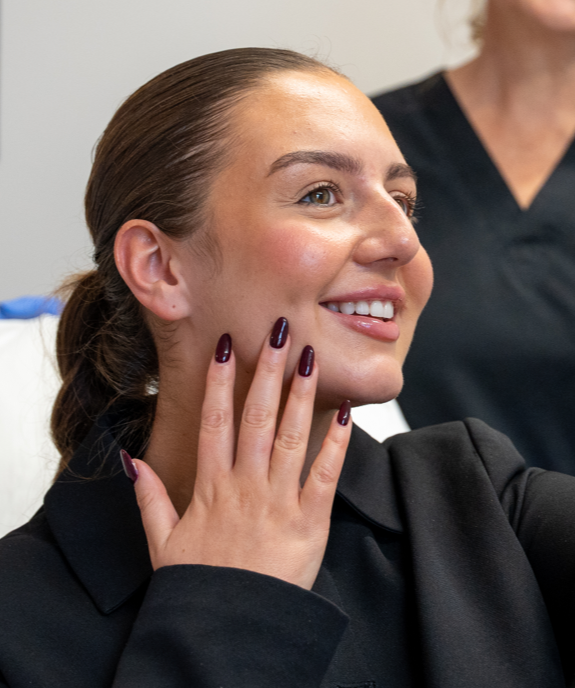

“Dr Stephanie removed 2 skin tags one on my back that was done in a couple of session but a more testing one on my head which took months and throughout the whole process she was brilliant and very personable! I couldn't recommend her more!”
KARL PRESHAW
“Dr Stephanie removed 2 skin tags one on my back that was done in a couple of session but a more testing one on my head which took months and throughout the whole process she was brilliant and very personable! I couldn't recommend her more!”
KARL PRESHAW
Follow Us

Follow Us
Polynucleotides
View our collection of specially selected treatments to keep you feeling and looking great.
Polynucleotides – Awaken Clinic
As we age, the vital substances that maintain good skin health can deplete. These include collagen, elastin and hyaluronic acid. As these essential materials diminish within the skin, lines and wrinkles, skin sagging, creeping and loss of elasticity can happen. At Awaken Clinic, we offer a revolutionary skin bio-remodelling treatment which can rejuvenate the skin’s own healing processes on a cellular level. This treatment utilises the healing and regenerative properties of injectable polynucleotides.
Polynucleotides (PN) are a type of biomolecule that consist of long-chain nucleotides, the building blocks or RNA and DNA). They are ethically extracted from the sperm of salmon and trout. Polynucleotides have been used for 35 years in wound healing therapies, to which they have been found to be extremely effective. With over 40 years of research and successful results in medicine, polynucleotides are now being used for their regenerative properties in the rejuvenation of skin tissues. Prior to use, polynucleotides are sterilised and purified, making them extremely safe for injection into the deeper layers of the dermis.
FAQs
Polynucleotides help to stimulate fibroblast activity within the skin’s tissues. They do this by encouraging the metabolic activity of cells within the skin, increasing the rate of growth of fibroblasts, thus activating and revitalising ageing or damaged skin cells. Polynucleotides also act to prime dermal fibroblasts, producing new matrix glycosaminoglycans and stimulating the production of new collagen and elastin fibres. Polynucleotides also contain protamine sulphate which is a protein with a high arginine content. Arginine has been found to have a rejuvenating effect on the skin. When injected into the skin, polynucleotides attract the existing and future water molecules within the tissues, enabling more effective hydration. They also offer an anti-free radical effect on the skin, scavenging the damaging OH hydroxyl radicals that can accumulate as a result of internal and external stressors such as emotional stress, UV rays, smoking and pollution, all of which cause damage to the skin’s cells.
- • Signs of skin ageing, such as lines, wrinkles, dehydration and skin laxity.
- Dark circles (polynucleotides are superb alternatives to tear trough fillers for patients who have a reaction to hyaluronic acid (HA) products)
- Hair loss and hair thinning (androgenic alopecia).
- Acne atrophic scars, surgical or trauma scars.
- UV damage, sun spots, age spots.
- Melasma.
- Rosacea.
- Stretch marks.
- Cellulite.
- Polynucleotides can also be injected prior and after some surgeries (e.g. hair transplant surgery) to accelerate the healing process.
- Full face (including sensitive areas such as the lips and tear troughs)
- The neck.
- The Scalp.
- The upper arms.
- The décolleté.
- The thighs.
- The stomach.
- The hands.
As polynucleotides are a biological and not a synthetic substance extracted from fish, they are highly bio-compatible for use in humans and therefore offer very few if, any immunological side effects. However, as with any injectable treatment there can be some cosmetic downtime, following this treatment. These can include slight swelling, tenderness, small bumps at the injection sites and potential bruising. All of these reactions are normal and will subside in a day or so. We will advise on any aftercare that you should follow after your treatment, in your initial consultation at the clinic.
Before your treatment, a numbing cream will be used to de-sensitise the areas to be treated so the procedure should not be painful. Many patients describe the sensation as ‘stingy’ but in most cases, very tolerable.
The number of treatments required will depend on several factors:
- Your age.
- The condition of your skin.
- The severity of skin ageing.
- Your lifestyle choices.
- The kind of results you are hoping to achieve.
In general however, we recommend between two and three treatment sessions, spaced one month apart for optimum results.
Results from a treatment using polynucleotides are accumulative and can last up to 12 months. Therefore, you may wish to undergo maintenance sessions every six to 12 months.
Meet Dr. Steph France BDS
GDC 64826
Stephanie France is a qualified dentist with over 35 years' experience and has considerable knowledge of the facial anatomy. This gives her a unique advantage in assessing the balance and overall aesthetics of the face.
Stephanie trained at the world-renowned BK institute and is a member of the IAAFA (International Academy of Advanced Facial aesthetics)
Stephanie has a particular interest in skin treatments and has recently completed and been awarded a Professional Diploma in Dermatology at The Royal College of Physicians of Ireland
Meet Dr. Steph France BDS
GDC 64826
Stephanie France is a qualified dentist with over 35 years' experience and has considerable knowledge of the facial anatomy. This gives her a unique advantage in assessing the balance and overall aesthetics of the face.
Stephanie trained at the world-renowned BK institute and is a member of the IAAFA (International Academy of Advanced Facial aesthetics)
Stephanie has a particular interest in skin treatments and has recently completed and been awarded a Professional Diploma in Dermatology at The Royal College of Physicians of Ireland
“Dr Stephanie removed 2 skin tags one on my back that was done in a couple of session but a more testing one on my head which took months and throughout the whole process she was brilliant and very personable! I couldn't recommend her more!”
KARL PRESHAW
“Dr Stephanie removed 2 skin tags one on my back that was done in a couple of session but a more testing one on my head which took months and throughout the whole process she was brilliant and very personable! I couldn't recommend her more!”
KARL PRESHAW
Follow Us
Follow Us